
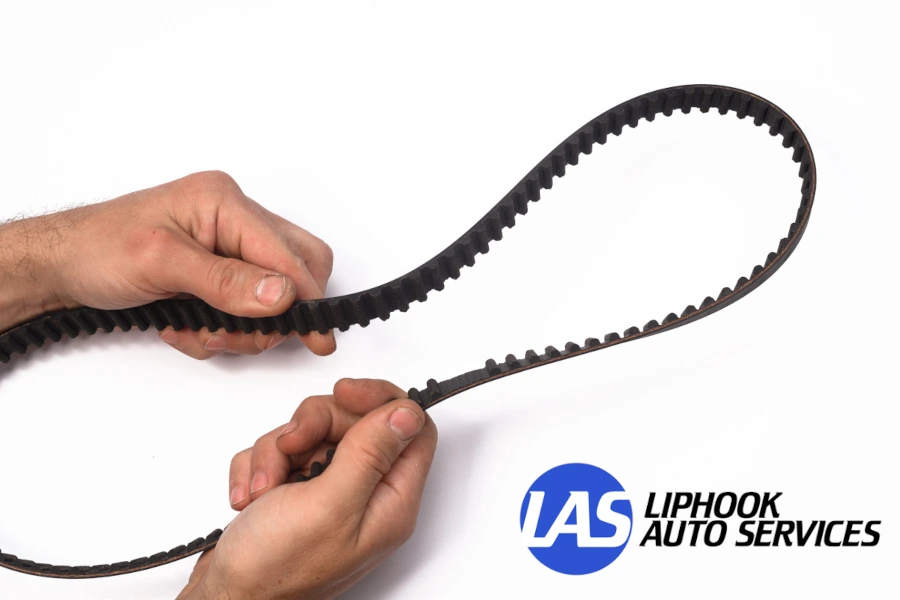
Understanding Wet Timing Belts
Wet timing belts, also known as timing belts in oil, are a modern innovation designed to improve engine performance and efficiency. Unlike traditional dry timing belts, which operate without lubrication, wet timing belts are constantly bathed in the engine’s oil. This lubrication reduces friction, which should, in theory, lower wear and tear and extend the belt’s lifespan.
At first glance, wet timing belts seem like a clear upgrade. They allow for smoother and quieter engine operation while potentially improving fuel efficiency. However, as these systems have been put to the test in real-world driving conditions, they’ve revealed some unexpected and costly challenges that every driver should know about.
Which Vehicles Use Wet Timing Belts?
Wet timing belts are increasingly common in modern vehicles, particularly from manufacturers aiming for better fuel economy and lower emissions. Ford, Volkswagen, Audi, Peugeot, and Citroën are some of the brands leading the way with this technology. For example, Ford’s EcoBoost engines, used in popular models like the Fiesta and Focus, rely on wet timing belts to deliver their impressive performance. Similarly, many Volkswagen TDI diesel engines and PSA Group vehicles, including Peugeot and Citroën models, incorporate these systems.
If you’re not sure whether your car uses a wet timing belt, you can check your owner’s manual or give us a ring on 01428 725555. Knowing what type of timing system your engine uses is crucial to understanding its maintenance needs.
Why Wet Timing Belts Were Supposed to Be Better
When manufacturers first introduced wet timing belts, they marketed them as a significant improvement over traditional dry belts. The idea was simple: bathing the belt in oil would reduce the friction and heat that cause wear in dry systems. This lubrication was expected to make the belts last longer, sometimes exceeding 100,000 miles or more before needing replacement.
In addition to durability, wet timing belts were designed to contribute to a quieter and smoother driving experience. They also enabled more compact engine designs, which are beneficial for modern vehicles where space and weight savings are key to meeting stringent emission standards.
While these advantages sound appealing, the reality has been more complex, and many drivers have encountered unexpected issues with their wet timing belts.
The Problems Drivers Are Facing
Over time, it’s become clear that wet timing belts aren’t without their flaws. One major issue is that the belts can degrade faster than expected when exposed to high engine temperatures and contaminants in the oil. As the belt material wears down, it can shed particles into the oil, leading to sludge build-up and clogged oil passages, which in turn can damage other engine components.
Oil quality plays a significant role in the lifespan of a wet timing belt. Using the wrong type of oil or failing to change it regularly accelerates belt wear. Additionally, seals around the timing belt housing can fail, causing oil leaks that reduce lubrication and increase the risk of engine damage. These issues often lead to costly repairs or even complete engine failure if the belt fails unexpectedly.
Why Manufacturers Are Revising Replacement Guidelines
When wet timing belts were first introduced, manufacturers promised that they could last over 100,000 miles or more, but real-world experience has shown otherwise. Reports of premature failures have led several manufacturers to revise their recommended replacement intervals.
Ford, for example, initially advised replacing the EcoBoost wet timing belts at 150,000 miles, but they now recommend doing so as early as 60,000 to 90,000 miles, depending on the vehicle and driving conditions. Volkswagen has similarly shortened replacement intervals for some of its TDI models, with new guidance suggesting belt replacement at around 75,000 miles. Peugeot and Citroën have also updated their recommendations, advising drivers to replace wet timing belts between 60,000 and 80,000 miles to prevent unexpected failures.
These changes reflect a growing acknowledgment of the system's vulnerabilities and the need for more proactive maintenance to avoid costly breakdowns.
How to Maintain Your Wet Timing Belt
Maintaining a wet timing belt is essential for keeping your engine in good working order. First and foremost, it’s important to follow your vehicle manufacturer’s updated maintenance schedule. If your car’s original recommendation was over 100,000 miles, check for any revisions and consider replacing the belt earlier as a precaution.
Regular oil changes are equally critical, as the belt relies on clean, high-quality oil for lubrication. Always use the grade of oil specified in your car’s manual, as using a lower-quality or incorrect oil can dramatically shorten the belt’s lifespan.
In addition to oil changes, pay attention to any warning signs of belt problems, such as unusual engine noises, oil leaks, or reduced engine performance. If you notice any of these symptoms, it’s important to have your car inspected by your local trusted mechanics at Liphook Auto Services.
Best Practices for Long-Term Care
To ensure your wet timing belt lasts as long as possible, adopt a proactive approach to maintenance. Check your car’s service schedule regularly and make sure your mechanic inspects the belt during routine services. If your car is approaching 60,000 miles or more, start planning for a belt replacement to avoid the risk of an unexpected failure.
Investing in high-quality oil and keeping up with oil changes will also go a long way in preserving the condition of the belt. Finally, when it’s time for a replacement, choose a garage (just like ours) with experience working on wet timing belt systems to ensure the job is done correctly.
In Conclusion
Wet timing belts were introduced as a modern solution to improve engine efficiency and durability, but their real-world performance has often fallen short of initial promises. For many drivers, premature failures and costly repairs have become all too common, leading manufacturers to revise their maintenance schedules.
If your car has a wet timing belt, understanding its unique maintenance needs is key to avoiding problems. By following updated replacement guidelines, investing in regular oil changes, and addressing any issues promptly, you can keep your car running smoothly and prevent expensive repairs down the road.